
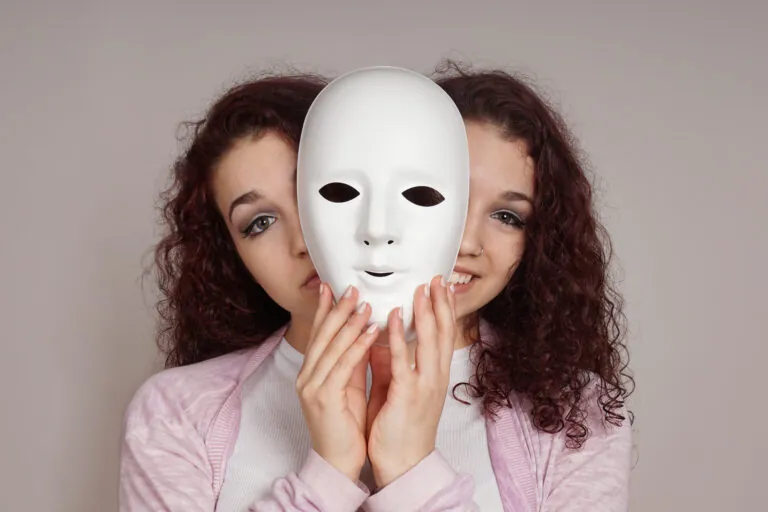
Masking is a term often used within the autistic community to describe the act of hiding or suppressing traits in order to fit in. For many autistic people, especially women, girls, and nonbinary individuals, masking is a common and often unconscious survival strategy. While it may help navigate social situations, masking comes at a significant emotional and psychological cost.
What Is Masking?
Masking involves using behaviors or strategies to appear more “neurotypical” in social settings. It can include:
- Forcing or faking eye contact
- Rehearsing conversations in advance
- Mimicking others’ gestures, tone, or expressions
- Suppressing stimming behaviors
- Ignoring or pushing through sensory discomfort
This process is often compared to performing a role, where the individual is constantly managing how they present themselves while hiding their natural responses.
Why Do Autistic People Mask?
Many autistic people mask as a way to protect themselves in environments that are not designed for neurodivergent minds. Masking often begins in childhood, when individuals are corrected or judged for behaviors that feel natural to them. Over time, they may learn that showing their true selves results in social rejection, punishment, or misunderstanding.
In school, at work, or even within families, autistic individuals may feel pressure to conform to unspoken social rules. For girls and women, masking can be especially intense due to cultural expectations around being polite, emotionally aware, and socially adaptable. This makes autistic traits easier to overlook or misinterpret, contributing to missed or delayed diagnoses.
The Short- and Long-Term Effects of Masking
Short-Term Effects
In the short term, masking might make social situations easier to manage. But it often leads to:
- Mental and emotional fatigue from constant self-monitoring
- Increased anxiety and stress in social situations
- Difficulty staying present during conversations
- A sense of disconnection or inauthenticity in relationships
These effects can accumulate over the course of a day, often resulting in exhaustion or emotional crashes once the individual is alone.
Long-Term Consequences
The long-term impact of chronic masking can be serious:
- Autistic burnout: deep physical, mental, and emotional exhaustion that can lead to a temporary or lasting loss of skills or functioning
- Identity confusion: difficulty distinguishing between the masked persona and the authentic self
- Delayed or missed diagnosis: because masking can hide recognizable traits from professionals
- Increased mental health issues: including depression, anxiety, and trauma-related symptoms
These consequences highlight the emotional cost of appearing “okay” when the effort to do so is anything but.
Signs You Might Be Masking
Because masking can become automatic, it may be hard to recognize. Some common signs include:
- Feeling like you’re performing or on alert in social settings
- Experiencing a “crash” after social interaction—extreme fatigue, irritability, or the need to isolate
- Difficulty identifying your likes, needs, or opinions separate from what’s expected of you
- Avoiding certain behaviors, like stimming, even in private
Awareness is the first step toward change. Recognizing that you are masking can help you start to assess when and where it’s safe to be more fully yourself.
What Is Unmasking?
Unmasking is the gradual process of letting go of learned behaviors that were adopted to fit in, and instead expressing your true self. It’s a deeply personal and nonlinear journey.
Benefits of Unmasking
- Reduced stress and anxiety from no longer needing to constantly perform
- Stronger self-understanding and increased self-acceptance
- More genuine relationships, based on mutual respect and openness
Challenges of Unmasking
- Fear of being judged, misunderstood, or rejected
- Navigating work, school, or social environments that are not yet inclusive
- Relearning how to respond authentically, rather than automatically masking
Unmasking doesn’t mean abandoning all strategies that help you feel safe. It means choosing authenticity where possible and building a life that allows you to be more of who you are, more of the time.
How to Support Someone Who Masks
Whether you’re a friend, family member, coworker, or teacher, you can help reduce the need for masking by creating more inclusive environments. Here’s how:
- Respect different communication styles. Don’t force eye contact or expect neurotypical social cues.
- Accept stimming and self-regulation behaviors without drawing unnecessary attention or trying to stop them.
- Encourage rest and decompression, especially after social situations.
- Avoid rewarding people for “passing” as neurotypical, and instead affirm their strengths and differences.
- Support starts with understanding and continues with consistent, respectful action.
Why Unmasking Matters for Autistic Adults
Masking is a survival response, developed in environments that do not always accept neurodiversity. It is not a sign of weakness or dishonesty. It’s a learned behavior meant to protect. But over time, masking can take a toll on mental health, relationships, and self-worth.
Unmasking is not about becoming someone new. It’s about coming home to yourself. Whether you’re early in your journey or well along the path, know that you’re not alone. There is no one “right” way to be autistic. The goal is to feel safe, seen, and supported in living your truth.
If you’re struggling with masking, burnout, or identity confusion—or if you want to better understand and support a loved one—KindestMind is here to help. Contact us today to schedule a confidential consultation and take the first step toward support and self-understanding.