
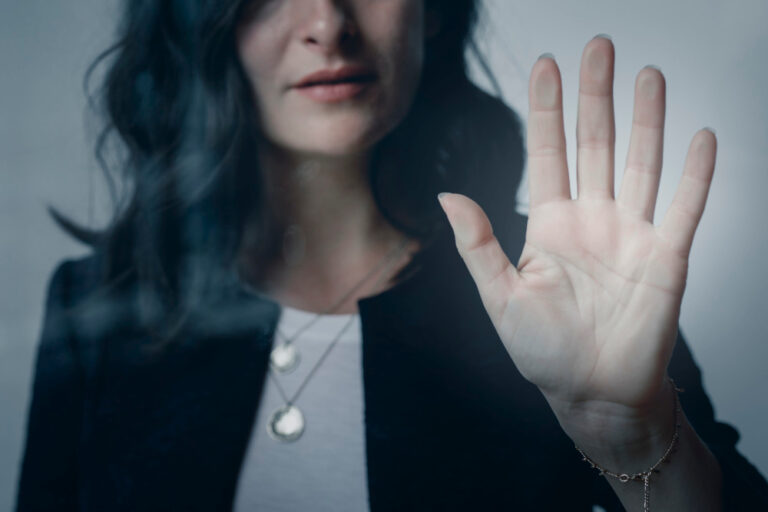
Violence against women is a global human rights crisis that impacts women and girls in every region of the world. It takes many forms and often leads to long-term physical, emotional, and psychological harm. When women live in places where their governments fail to protect them—or worse, where violence is tolerated or normalized—they may be left with no choice but to flee. In these cases, seeking asylum becomes a matter of survival. This blog explores the reasons behind violence against women worldwide, why many are forced to seek safety in other countries, and the organizations working to support and protect survivors.
Understanding Global Violence Against Women
Violence against women includes any act that causes physical, sexual, or psychological harm. The United Nations defines it as gender-based violence that may involve threats, coercion, or deprivation of freedom. This can happen in public spaces, in the home, or even within institutions. Common forms include domestic violence, sexual assault, female genital mutilation, forced marriage, honor-based violence, and human trafficking. In some cases, state actors or cultural traditions reinforce these harmful practices.
Gender inequality, lack of access to justice, and deep-rooted cultural beliefs often allow this violence to continue unchecked. In areas affected by war or political instability, violence against women can become even more widespread and severe. These conditions create environments where survivors have little to no protection or recourse, making escape the only viable option.
Alarming Global Statistics
The numbers highlight just how widespread this problem is. According to the World Health Organization, about 1 in 3 women globally have experienced physical or sexual violence in their lifetime. In some regions, this number is even higher. In places where laws are weak or poorly enforced, abuse is more likely to occur without consequence.
Child marriage continues to affect young girls in South Asia and Sub-Saharan Africa, denying them access to education and basic rights. In some countries in the Middle East and South Asia, honor-based violence remains a serious threat, where women are punished—even killed—for actions deemed inappropriate by their families or communities. Female genital mutilation still affects millions of girls and women, mostly in parts of Africa and the Middle East. These acts are often carried out with little resistance due to social acceptance or fear of retaliation.
Why Women Flee: Asylum and Gender-Based Violence
When women are unable to live safely in their own countries due to abuse and persecution, they may seek asylum in another country. Under international and U.S. asylum laws, survivors of gender-based violence may qualify for protection if they can show that their government failed to protect them or that the violence was part of a broader pattern of persecution.
In many parts of the world, women are trapped by cultural expectations, threats of violence, and legal systems that offer no protection. Women fleeing forced marriage, domestic abuse, or other forms of gender-based violence are often targeted by their families or communities if they attempt to escape. Seeking asylum becomes their only way to survive and build a new life in safety.
Organizations Working to End Violence Against Women
Many global organizations are working to protect women and prevent further violence:
- UN Women promotes gender equality and advocates for laws that protect women’s rights.
- Equality Now works to change harmful laws and support survivors of abuse through legal advocacy.
- International Rescue Committee (IRC) helps displaced women by providing shelter, counseling, and emergency services.
- Women for Women International supports survivors in conflict zones by offering job training, emotional support, and education.
- Center for Reproductive Rights defends women’s access to healthcare and reproductive rights around the world.
These organizations are making important progress, but the work is far from over.
The Role of Mental Health Support
Experiencing violence and being forced to flee your home can have a serious impact on mental health. Many survivors live with trauma, anxiety, depression, and post-traumatic stress disorder. Access to mental health care is essential for healing, and it also plays a key role in the asylum process.
Psychological evaluations can help document the emotional impact of the violence survivors have experienced. These evaluations provide professional, clinical evidence that supports asylum claims by showing the lasting effects of trauma. They can also offer survivors validation and a path toward emotional recovery.
What Needs to Change
To reduce and eventually end violence against women, there must be change on multiple levels:
- Stronger legal protections are needed to hold abusers accountable and provide safety for survivors.
- Access to resources such as shelters, legal aid, and mental health services must be expanded, especially for women in high-risk regions and those seeking asylum.
- Cultural change is necessary to challenge outdated and harmful gender norms that normalize or excuse violence.
- Education, awareness, and public policy must all work together to shift the global conversation around women’s rights and safety.
Supporting Survivors of Global Violence Against Women
Violence against women is a crisis that affects millions and demands urgent global attention. In too many places, survivors are left without support or protection. When their only option is to flee, the international community must be ready to offer safety and justice.
As we work toward a world where no woman is subjected to violence, we must continue to support survivors and the organizations that advocate for them. Legal pathways, mental health care, and community-based support are essential tools for recovery and long-term stability.
If you would like to help, consider donating to organizations that support survivors of gender-based violence. Your contribution can make a real difference.
If you are a survivor of gender-based violence seeking asylum, KindestMind provides trauma-informed psychological evaluations to support your case. Contact us to learn more about how we can help you find safety and healing through compassionate, professional care.