
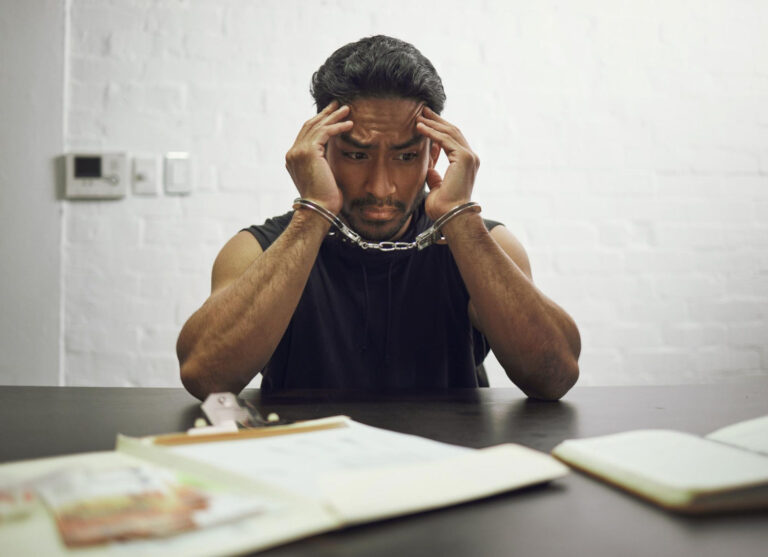
When someone is facing criminal charges, one of the biggest concerns is whether they may go to jail. A common question that comes up is whether a psychological evaluation can help reduce that outcome.
The short answer is sometimes. A psychological evaluation does not guarantee a lighter sentence. It is not a way to avoid consequences. What it can do is give the court a clearer understanding of the person behind the charges. That added context can influence how a judge approaches sentencing.
A well-prepared evaluation helps decision-makers see the full picture, not just the offense.
What is a psychological evaluation in a legal case?
In a legal setting, a psychological evaluation is a structured assessment completed by a licensed clinical or forensic psychologist. It is designed to answer specific legal questions, not to provide treatment.
These evaluations are objective and evidence-based. The psychologist reviews records, conducts interviews, and may use standardized testing. The goal is to assess mental health, functioning, and any factors that may be relevant to the case.
A typical report includes mental health history, diagnostic impressions if appropriate, functional limitations, and risk factors. It may also include treatment recommendations when relevant to the court’s decision-making process.
This type of evaluation is not about advocacy. It is about providing clear, defensible clinical findings the court can rely on.
When psychological evaluations are used in criminal cases
Psychological evaluations can be used at different points in a case, depending on the legal issue.
One of the most common uses is during sentencing. A pre-sentencing evaluation gives the court more information before deciding on penalties.
They are also used to assess competency, which determines whether someone can understand the legal process and participate in their defense.
In some cases, attorneys request evaluations to support mitigation. This means identifying factors such as trauma, mental health conditions, or cognitive limitations that may help explain behavior.
Evaluations may also be used to assess risk, including the likelihood of reoffending, or to determine whether someone may qualify for a diversion program instead of incarceration.
How a psychological evaluation can impact sentencing
A psychological evaluation can influence sentencing by adding context that may not otherwise be visible.
Legal decisions often focus on what happened. An evaluation helps explain why it may have happened. If there is a documented mental health condition, cognitive limitation, or history of trauma, that information can shape how the court views the case.
In some situations, this can shift the focus toward rehabilitation rather than punishment. For example, if the evaluation shows that behavior is linked to a treatable condition, a judge may consider structured treatment, probation, or supervised programs instead of jail time.
The evaluation does not replace accountability. It helps ensure that decisions are based on a more complete understanding of the individual.
What judges and attorneys look for in these reports
Courts expect psychological evaluations to meet a high standard.
The report must be clear, objective, and supported by data. Judges and attorneys look for a logical connection between the clinical findings and the legal questions in the case.
Credibility matters. The conclusions must be consistent, well-supported, and able to withstand scrutiny.
Specific recommendations are also important. A report that outlines practical next steps, such as structured treatment or monitoring, is more useful than one that only describes symptoms.
When an evaluation may help reduce jail time
There are certain situations where a psychological evaluation is more likely to influence sentencing.
This may include cases involving first-time offenses where the behavior is linked to a mental health issue. It can also be relevant in cases involving substance use, especially when there is a co-occurring mental health condition.
Individuals with a history of trauma, including PTSD, may benefit from an evaluation that explains how those experiences affect behavior. The same is true for neurodevelopmental conditions such as ADHD, autism, or cognitive impairments.
Courts may also respond more favorably when someone shows a willingness to engage in treatment and follow recommendations.
When it may not change the outcome
There are also situations where a psychological evaluation may have little impact on sentencing.
In cases involving serious or violent offenses, public safety concerns often carry more weight. If there is no clear clinical finding that relates to the behavior, the evaluation may not influence the outcome.
An evaluation can also work against a defendant if the information is inconsistent or suggests exaggeration of symptoms.
Timing is another factor. If an evaluation is completed too late in the process, it may not be considered by the court.
Why timing and coordination matter
Timing plays a critical role in how useful an evaluation will be.
When completed early, the findings can be integrated into the legal strategy. This allows attorneys to present a more complete case and meet court deadlines.
A thorough evaluation takes time. It may involve record review, testing, and detailed analysis.
Working closely with an attorney ensures the evaluation addresses the right questions and meets legal requirements.
It is not about avoiding accountability
A psychological evaluation is not a way to avoid consequences.
Its purpose is to support informed decision-making. By providing a clearer understanding of mental health and behavior, it helps the court determine an appropriate outcome.
This can include accountability along with recommendations that reduce the likelihood of future issues.
When to consider a psychological evaluation
A psychological evaluation may be worth considering if mental health, trauma, or cognitive factors played a role in the situation.
It is often recommended by attorneys when there is potential to present mitigating information to the court.
It can also be helpful when seeking alternatives to incarceration or when additional documentation may strengthen a case.
Get clear, court-ready answers
Legal situations can move quickly, and decisions often depend on the quality of information presented.
KindestMind provides psychological evaluations completed by licensed psychologists with experience in legal cases. Our reports are structured, objective, and designed to meet court expectations.
We work with attorneys and individuals nationwide through telehealth to deliver timely, defensible evaluations.
If you are considering a psychological evaluation, reaching out early can help you understand your options and next steps.