
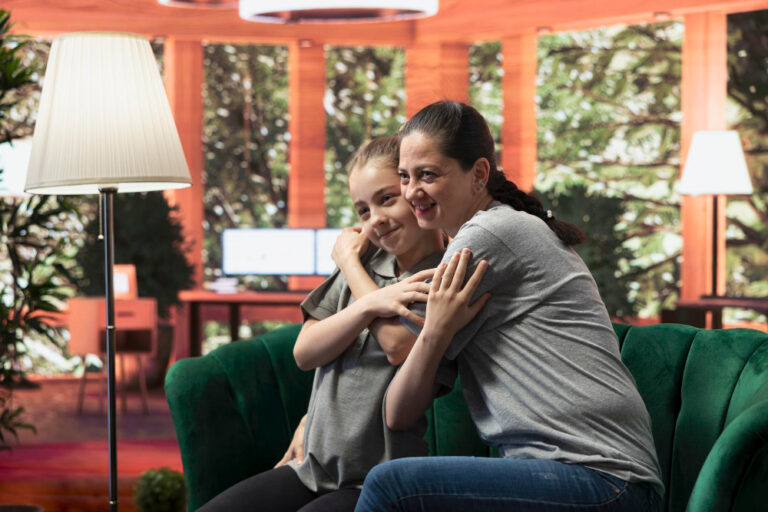
Autism Spectrum Disorder (ASD) is a condition that affects how individuals perceive the world and interact with others. It’s important to understand that autism comes with a variety of traits and behaviors. By learning about these traits, we can help support individuals with autism and make society more inclusive. Understanding these behaviors can empower individuals with autism to navigate the world confidently and can foster a better understanding among family, friends, teachers, and coworkers.
What Are Autistic Traits?
Autistic traits are a group of characteristics that individuals with ASD commonly have. These traits affect how they communicate, process information, and interact with others. While some traits can overlap with those seen in other conditions, the way these traits show up in autism is unique. Knowing these traits helps us understand the individual needs and strengths of those on the autism spectrum.
Core Areas of Autistic Traits and Behaviors
Autistic traits often show up in a few main areas: social communication, behavior patterns, sensory sensitivity, and executive functioning.
- Social Communication Challenges: One of the most well-known traits of autism is difficulty with social interactions. This can include problems maintaining eye contact, understanding body language, and following social cues, like tone of voice. People with autism might also struggle with starting or carrying on conversations and might find it difficult to form reciprocal relationships. They often take things literally and may struggle with abstract concepts like sarcasm.
- Restricted and Repetitive Behaviors: Many individuals with autism display repetitive behaviors, such as hand-flapping, rocking, or repeating phrases (called “stimming”). They might also have a strong preference for routines and become distressed if these routines are disrupted. Additionally, they often develop intense interests in specific topics, focusing deeply on subjects like trains, dinosaurs, or computers.
- Sensory Sensitivities: People with autism may be either more sensitive or less sensitive to sensory input. For example, certain lights, sounds, or textures may feel overwhelming to them, while others may seek out sensory experiences. These sensitivities can affect their daily life and how they interact with the environment around them.
- Executive Functioning Impairments: Executive functioning refers to skills like planning, organizing tasks, managing time, and making decisions. People with autism might struggle with these abilities, which can impact their work, school, and independent living skills. They might have trouble switching between activities or dealing with unexpected changes.
How Autistic Traits Vary Among Individuals
It is important to remember that autism is a spectrum, meaning that each person on the autism spectrum experiences it differently. No two people with autism are exactly the same. Factors like age, gender, and co-occurring conditions can affect how autism presents. For example, girls with autism might display subtler signs and be better at “masking” their symptoms, which can sometimes lead to underdiagnosis. Also, co-occurring conditions like ADHD, anxiety, or intellectual disabilities can change how autism appears.
Identifying Autistic Traits in Children vs. Adults
The signs of autism can look different at various ages. In children, the traits are often more noticeable, such as delayed speech, difficulty with pretend play, and limited eye contact. As children grow, they may develop coping strategies to mask their symptoms, which can make these traits harder to see. In adults, autism might be less recognized or misunderstood, especially in work or social settings. Many adults get diagnosed later in life after recognizing their traits or after seeing their children diagnosed.
Recognizing the Strengths of Autistic Traits
While autism is often discussed in terms of challenges, it is also important to highlight the strengths associated with autistic traits. Many individuals with autism have an incredible attention to detail, the ability to focus for long periods on their interests, and a unique way of thinking creatively. These strengths can lead to success in various fields, such as technology, science, and the arts. Embracing and nurturing these strengths can help individuals with autism reach their full potential.
Addressing Misconceptions and Stereotypes
There are many stereotypes about autism that contribute to stigma and misunderstanding. One common misconception is that people with autism lack empathy, when in fact, they may process empathy differently. Another myth is that individuals with autism prefer to be isolated, but many enjoy social interaction and just struggle with communication. By promoting accurate information about autism, we can create a more accepting and supportive society where people with autism are valued for who they are.
The Role of Early Diagnosis in Supporting Autistic Individuals
Identifying autism early is crucial because early diagnosis leads to early intervention. The sooner autism is recognized, the sooner children can access therapies and support that will improve their social, communication, and adaptive skills. Early intervention can also help children develop strategies for coping with sensory sensitivities and other challenges, which can lead to better long-term outcomes.
How to Support Autistic Individuals
Supporting someone with autism requires patience, understanding, and a willingness to adapt to their needs. For parents, this might mean learning communication strategies, establishing routines, and advocating for the support and services their child needs. In schools or workplaces, it may involve making adjustments like providing clear instructions, offering flexible work hours, or creating quiet spaces for sensory relief. For spouses of individuals with autism, support often means fostering a deeper understanding of their partner’s needs, communicating openly about challenges, and being flexible in daily routines. This might include providing additional emotional support during stressful times, respecting sensory sensitivities, and finding ways to collaborate on family or household tasks. It’s important to tailor support to the individual’s unique needs and preferences to create an environment where they feel comfortable, respected, and loved.
A More Inclusive Future for Autistic Individuals
Understanding and embracing the diverse traits and behaviors of individuals with autism is a continuous process of learning and empathy. By celebrating differences and recognizing the unique ways that individuals on the autism spectrum experience the world, we can build a society that values diversity and inclusion. With the right support, individuals with autism can thrive and lead fulfilling lives.
If you or someone you know is seeking to learn more about autism or considering an evaluation, contact KindestMind. We’re here to help guide you through the process and provide the support you need.